Expert Radon Reduction for Peace of Mind
Radon mitigation is a critical process for reducing indoor radon levels, which can pose health risks if left unaddressed. Proper mitigation techniques can significantly lower radon concentrations, ensuring safer indoor environments. Understanding the importance of radon mitigation and the methods involved can help homeowners and property managers make informed decisions about indoor air quality.
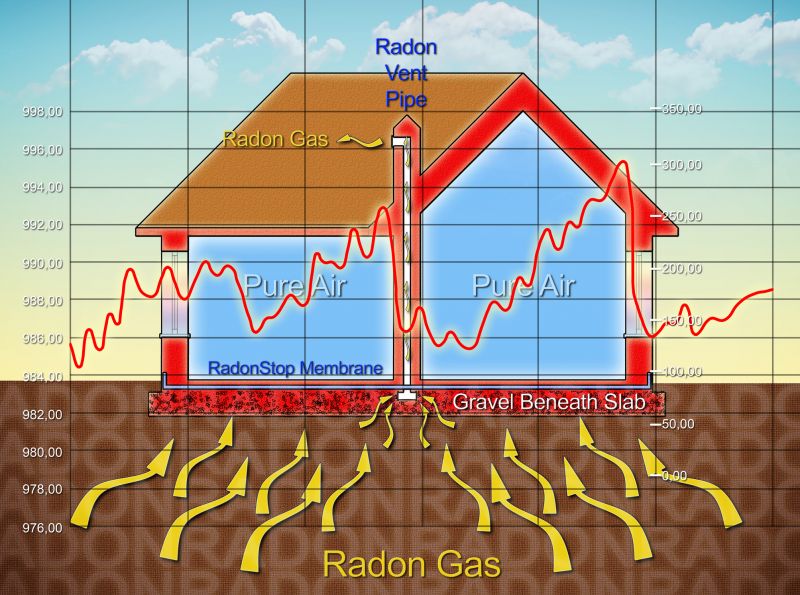
Key components include vent pipes, fans, and sealing barriers that work together to reduce radon levels.
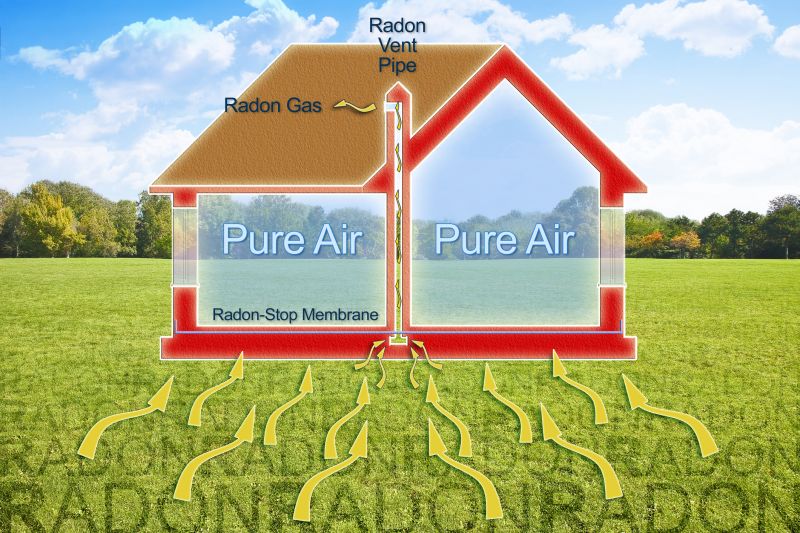
Proper installation involves strategic placement of vent pipes and fans to effectively divert radon outdoors.
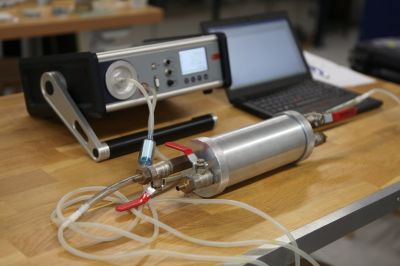
Showcases the final setup of radon reduction systems in residential and commercial buildings.
Radon mitigation systems are designed to prevent radon gas from accumulating inside buildings by venting it safely outside. These systems are typically installed in the lowest level of a building, such as basements or crawl spaces. The process involves creating a sealed environment to prevent radon entry, followed by installing a vent pipe and fan to draw radon from beneath the foundation and expel it above the roofline. This setup helps maintain indoor radon levels well below recommended safety thresholds.
The duration of professional radon mitigation installation varies based on the complexity of the building and existing conditions. On average, installation can take between a few hours to a full day. Skilled technicians perform a thorough assessment, plan the system layout, and execute the installation efficiently. Properly installed systems require minimal maintenance once operational, providing long-term radon level reduction.
Why Hiring a Professional Is Recommended
Engaging a professional for radon mitigation ensures the system is correctly designed and installed to effectively reduce radon levels. Professionals have the expertise to evaluate the building’s foundation, identify potential entry points for radon, and implement the most suitable mitigation method. Proper installation minimizes the risk of system failure and maximizes safety. Additionally, professionals can conduct post-installation testing to verify the effectiveness of the mitigation system.
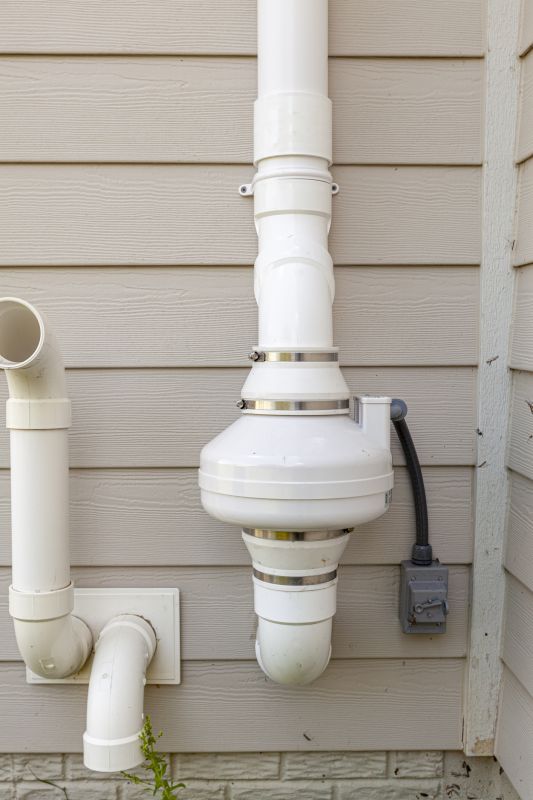
Shows a completed system installed in a residential basement, demonstrating effective radon reduction.
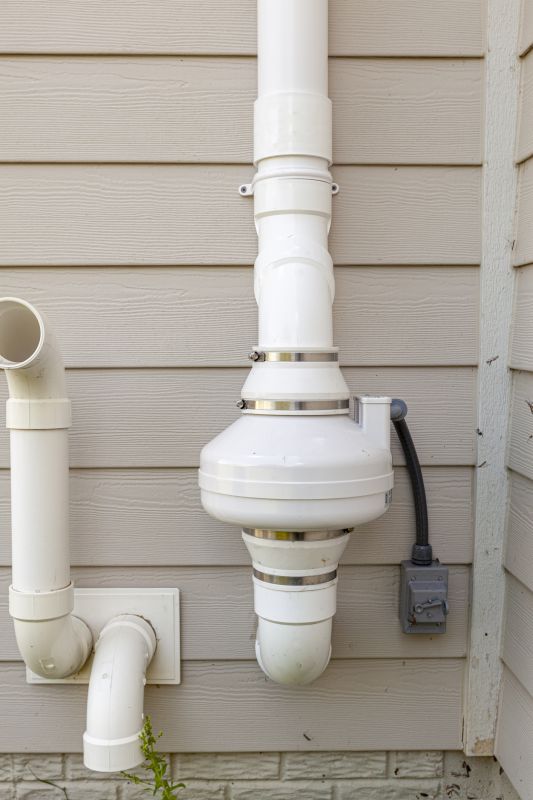
Depicts a sealed foundation with vent pipes designed to divert radon outdoors.
Features routine inspection and maintenance of radon mitigation components.
Implementing radon mitigation measures can significantly improve indoor air quality and reduce health risks associated with radon exposure. Properly installed systems are discreet and require minimal ongoing maintenance. For those considering mitigation, obtaining a professional assessment and installation ensures the system functions as intended and provides peace of mind.
To explore options for radon mitigation or to receive a detailed quote, filling out the contact form is recommended. Professional guidance can help determine the most effective solution tailored to specific building needs.