Get Radon Mitigation in Ridgefield, CT
Radon mitigation services for Ridgefield, CT, help property owners reduce radon gas levels through expert installation of ventilation systems and sealing techniques.
Radon mitigation is an important consideration for property owners in Ridgefield, CT, especially for those planning renovations or new construction projects. Elevated radon levels can pose health concerns, making it essential to explore effective solutions to reduce indoor radon concentrations. This page connects homeowners and property managers with experienced local contractors who specialize in radon mitigation, providing options to compare and choose the right service provider for their specific needs.
Understanding the available approaches to radon reduction and selecting the appropriate professionals can help ensure a safe and healthy living environment. Whether addressing existing issues or proactively planning for future properties, property owners in Ridgefield can find trusted local contractors equipped to handle radon mitigation work. Keep reading to learn more about how local service providers can assist with your radon concerns and help you make informed decisions.
- Radon Testing - when a homeowner wants to assess indoor radon levels in Ridgefield neighborhoods.
- Radon Mitigation System Installation - needed if high radon levels are detected in a residential or commercial property.
- Radon System Maintenance - important for keeping existing radon mitigation systems functioning effectively over time.
- Radon Reduction Consultation - useful for property owners considering radon mitigation options before installation.
- Radon Inspection for Real Estate Transactions - required when buying or selling a home in areas with known radon concerns.
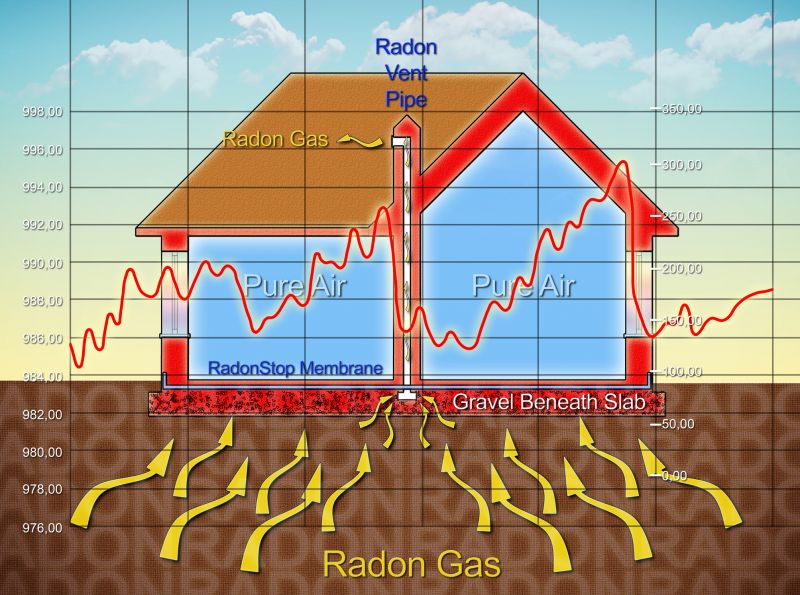
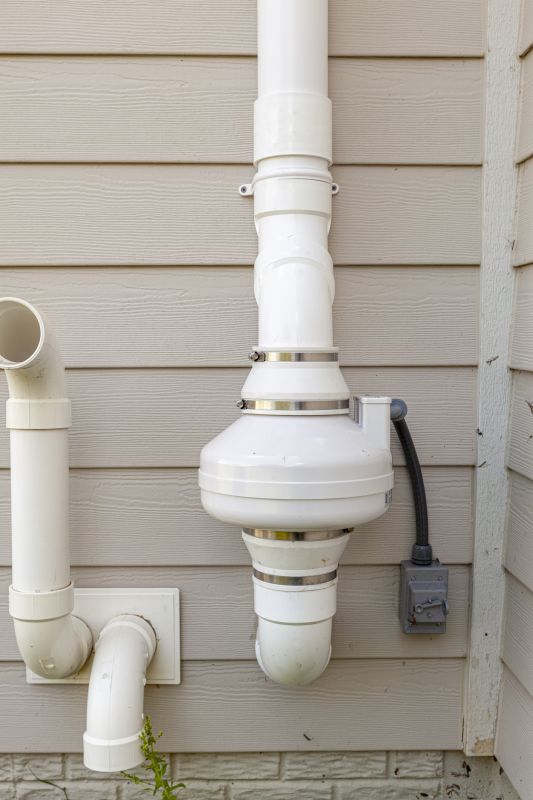
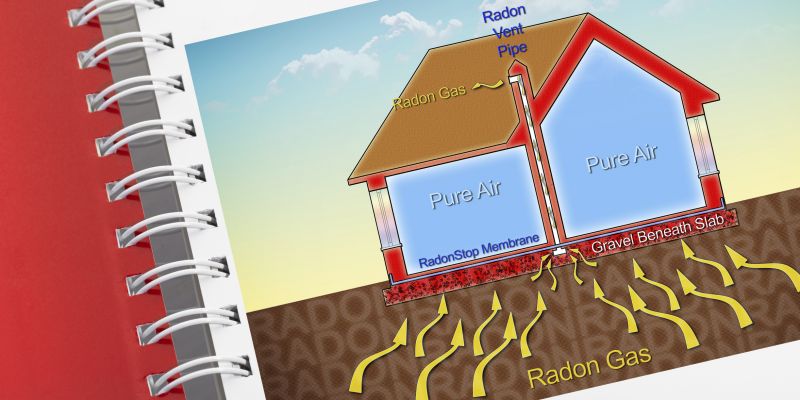
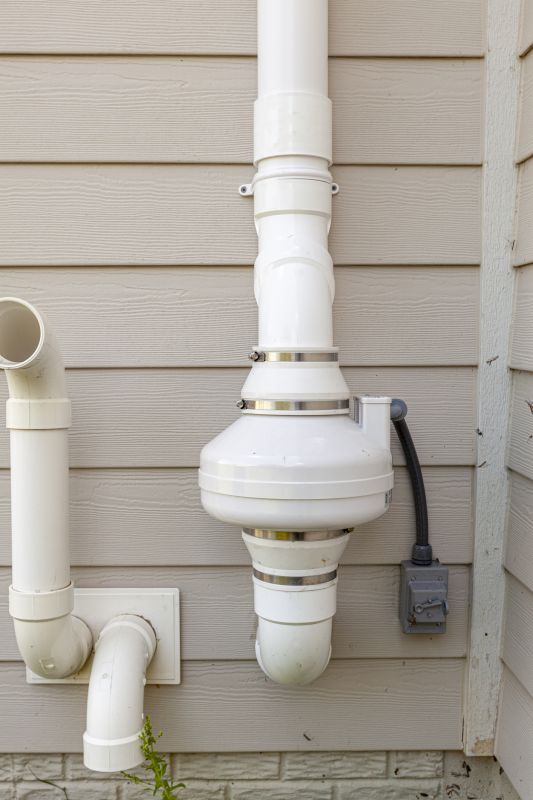
Radon mitigation services involve installing specialized systems designed to reduce radon gas levels inside a home or building. Radon is a naturally occurring radioactive gas that can seep into properties through cracks in the foundation, gaps around pipes, or other openings in the basement or lower levels. The process typically includes setting up a vent pipe system and a fan to safely vent radon gas from beneath the property to the outside atmosphere, preventing it from accumulating indoors. These systems are tailored to fit the specific layout and construction of each property, ensuring effective reduction of radon levels and improving indoor air quality.
Radon mitigation is essential for addressing health concerns related to long-term radon exposure, which has been linked to an increased risk of lung cancer. Homes with elevated radon levels may not show obvious signs or symptoms, making testing a critical step in identifying the issue. Service providers can evaluate a property's radon levels through testing and then recommend appropriate mitigation strategies. Installing a mitigation system can significantly lower radon concentrations, creating a safer living environment for residents and reducing potential health risks associated with prolonged exposure.
Properties that typically benefit from radon mitigation include newly constructed homes, older houses with basements, and buildings with poor ventilation or cracks in the foundation. Homes in areas with higher natural radon levels, such as certain parts of Connecticut, are especially likely to require mitigation. Commercial buildings, multi-family residences, and other structures with below-grade spaces may also need radon reduction solutions. Service providers are experienced in working with different types of properties to ensure that the mitigation system is effective and minimally disruptive to daily life.
Homeowners should consider radon mitigation if testing indicates elevated radon levels or if they live in regions known for higher radon presence. Even homes that have previously tested low can benefit from periodic testing, especially after renovations or changes to the foundation. Local contractors who specialize in radon mitigation can assess the specific needs of a property and install a system that effectively reduces radon exposure. Contacting a professional ensures that the mitigation work is performed correctly, helping to maintain a healthier indoor environment for years to come.
The overview below groups typical Radon Mitigation projects into broad ranges so you can see how smaller, mid-sized, and larger jobs often compare in Ridgefield, CT.
In many markets, a large share of routine jobs stays in the lower and middle ranges, while only a smaller percentage of projects moves into the highest bands when the work is more complex or site conditions are harder than average.
Smaller Repairs - Many minor radon mitigation jobs in Ridgefield, CT, range from $250 to $600. These projects typically involve sealing small cracks or installing basic vent fans and are common for routine concerns.
Standard System Installation - The typical cost for installing a standard radon mitigation system is between $1,200 and $2,500. Most local contractors handle these mid-sized projects regularly within this range.
Full System Replacement - Larger, more complex projects, such as replacing an existing system or handling high radon levels, can reach $3,000 to $5,000 or more. These jobs are less frequent but necessary for extensive mitigation needs.
Basement and Crawl Space Solutions - Specialized mitigation for basements or crawl spaces usually costs between $2,000 and $4,000. Many projects fall into this range, with some larger or more intricate setups exceeding $5,000 depending on the property size and condition.
Actual totals will depend on details like access to the work area, the scope of the project, and the materials selected, so use these as general starting points rather than exact figures.
Soil Vapor Extraction - this project involves installing systems to remove contaminants from soil and indoor air, utilizing skills similar to radon mitigation planning and ventilation techniques.
Foundation Ventilation Systems - designing and installing ventilation solutions to reduce moisture and indoor pollutants shares techniques with radon venting and airflow management.
Basement Waterproofing - waterproofing projects require understanding of soil conditions and moisture control, paralleling radon mitigation strategies to prevent indoor air quality issues.
Indoor Air Quality Improvement - enhancing ventilation and air exchange in buildings involves planning and tools similar to those used in radon reduction systems.
Sub-Slab Depressurization - this method of reducing soil gases involves similar techniques and equipment as radon mitigation to prevent gas infiltration.
Vapor Barrier Installation - applying barriers to prevent soil gases from entering indoor spaces requires careful planning and material handling akin to radon mitigation efforts.
When comparing Radon Mitigation service providers in the Ridgefield area, it’s important to consider their experience with similar projects. Homeowners should look for local contractors who have a history of working on homes comparable in size and construction to their own. An experienced pro will understand the specific challenges that can arise in the local climate and building styles, helping to ensure the mitigation system is installed effectively and reliably. Gathering information about a contractor’s past projects can provide insight into their familiarity with the nuances of radon reduction systems in homes like yours.
Clear, written expectations are a key part of choosing a reputable service provider. Homeowners should seek out contractors who can provide detailed descriptions of the work involved, including the scope of the project, materials used, and the expected outcomes. Having this information in writing helps prevent misunderstandings and ensures everyone is aligned on what the project entails. It also provides a record that can be referenced throughout the process, making it easier to verify that the work meets the agreed-upon standards.
Reputable references and good communication are vital when selecting a local contractor for Radon Mitigation. Homeowners can ask potential providers for references from previous clients with similar homes, which can offer valuable perspective on the quality of work and professionalism. Additionally, a contractor’s responsiveness and willingness to answer questions clearly can indicate their commitment to customer service. Since the site introduces homeowners to local options, it’s important to focus on those who demonstrate transparency, reliability, and clear communication-traits that help ensure the project proceeds smoothly and meets expectations.
Property owners in Ridgefield, CT use Radon Mitigation services for practical projects around their homes and businesses. This guide focuses on everyday jobs and straightforward project options.
Radon mitigation services are often sought by property owners in Ridgefield, CT who have concerns about indoor air quality and health. Many homeowners notice a musty smell or experience unexplained health issues and want to ensure their living spaces are safe. Local contractors can assess homes for radon levels and recommend appropriate mitigation systems to reduce indoor radon concentrations, providing peace of mind for families and residents.
Additionally, property owners might consider radon mitigation when preparing to sell or renovate a home. Real estate transactions sometimes require radon testing, and having a mitigation system installed can help meet local regulations and standards. Whether dealing with an existing concern or proactively addressing potential issues, residents can connect with nearby service providers experienced in handling radon reduction projects tailored to Ridgefield’s homes and buildings.
What is radon mitigation? Radon mitigation involves installing systems to reduce radon gas levels in homes, helping improve indoor air quality and safety.
How do local contractors perform radon mitigation? They typically evaluate the home, install venting systems, and ensure proper airflow to lower radon concentrations effectively.
Is radon mitigation necessary for all homes? Radon mitigation is recommended for homes with elevated radon levels, which can be determined through testing conducted by local service providers.
What types of radon mitigation systems are available? Common systems include sub-slab depressurization and vent pipe installations designed to vent radon safely outside.
How can I find qualified radon mitigation service providers nearby? Contact local contractors who specialize in radon services to compare options and find the right fit for your home in Ridgefield, CT, and surrounding areas.
Radon Level Testing - Property owners can arrange for local contractors to test indoor air quality and identify radon levels in their homes.
Foundation Sealing Solutions - Homeowners might seek services to seal cracks and openings in the foundation to reduce radon entry points.
Sub-Slab Depressurization - Residents can have local service providers install systems that vent radon gas from beneath the home to improve indoor safety.
Ventilation System Upgrades - Property owners may consider enhancing ventilation to lower radon concentrations and improve indoor air quality.
If you are thinking about Radon Mitigation for a property in Ridgefield, CT, this guide is meant to help you understand the work, the typical project types, and how different options might fit your plans.
When you are ready, you can use the quote form on this page to share a few details about your project. From there, local pros can review the basics and respond with options that match what you have in mind.